New white elephants in Africa?
By bilaterals.org, 15 August 2025
The third summit on financing African infrastructure development is set to take place in Luanda from 28 to 31 October 2025. According to Africa Intelligence, it aims to mobilise capital from Africa and elsewhere to strengthen the corridor strategy and boost investment in infrastructure, including technology, to increase trade within the African Continental Free Trade Area (AfCFTA). The focus on cross-border infrastructure projects in Africa will particularly center on high-impact corridors like the Lobito Corridor, the Lamu Port-South Sudan-Ethiopia-Transport (LAPSSET) project, and the Abidjan-Lagos highway. Key actors in the summit include African leaders, multilateral institutions, and foreign investors.
The event co-organized by the AU, the African Union Development Agency-NEPAD (AUDA-NEPAD) and Angola, seeks to bridge the continent’s annual infrastructure financing gap, estimated at US$130–170 billion, against current commitments of US$80 billion. To this end, it focuses on mobilizing financial resources through African instruments such as the Alliance of African Multilateral Financial Institutions (supported by Afreximbank and the Africa Finance Corporation), regional financial institutions, pension funds, and sovereign wealth funds on the continent, as well as by soliciting private investors.
Non-African financiers range from Western institutions (World Bank, IMF, Blackstone) to BRICS-aligned entities like China Eximbank, the Saudi Fund, and Abu Dhabi’s sovereign wealth funds. Consequently, the summit will most probably reflect divergent geopolitical interests in the field of African infrastructure.
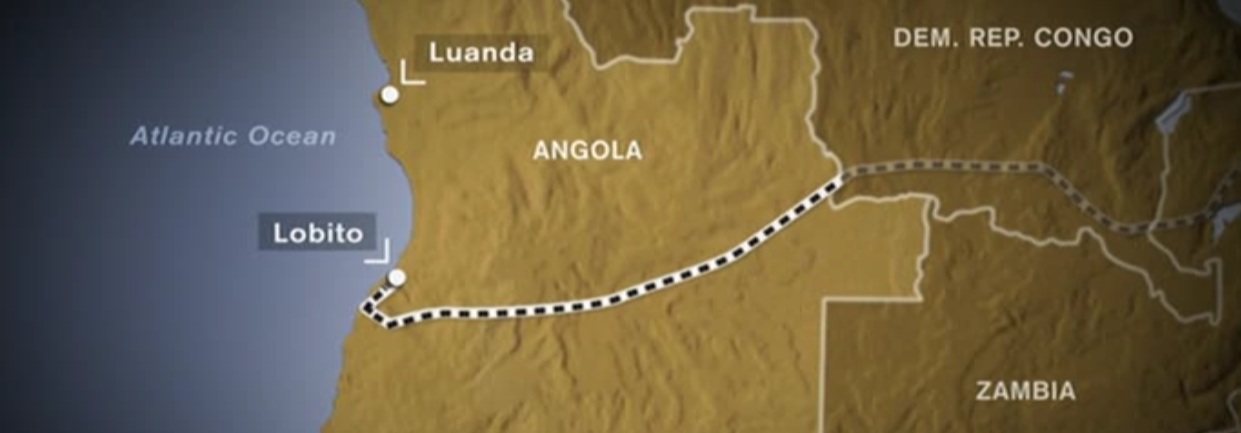
The Lobito Corridor exemplifies this dynamic of strategic resource competition. This rail and infrastructure project aims to connect the Lobito port of Angola with mineral-rich areas in DRC and Zambia in order to export critical minerals to the US and Europe. It includes also telecommunication, energy and agribusiness projects. From its side, China is building another railway to connect Tanzania and Zambia.
The Lobito Corridor was pushed by the US Biden administration, who committed US$553 million in 2024. The project is also backed by the African Development Bank, European companies such as the Swiss trader Trafigura, as well as the European Commission and the far-right Italian government under the Mattei Plan. In April 2025, Trump committed US$4 billion to the corridor, and most probably the project was in his radar when he supported the peace agreement between DRC and Rwanda. But in July 2025, in view of aid cuts and delays, doubts were raised on the real US support to the initiative.
It is important to ask who these projects really serve. Top-down infrastructure corridor megaprojects often fail to deliver the supposed benefits they are promoted for. They frequently collapse and result in colossal debt for the countries in which they are built. They also lead to the displacement of local communities and a profound transformation of local economies in favour of exports. The big winners are usually corporations.