AFTINET - 15 January 2026
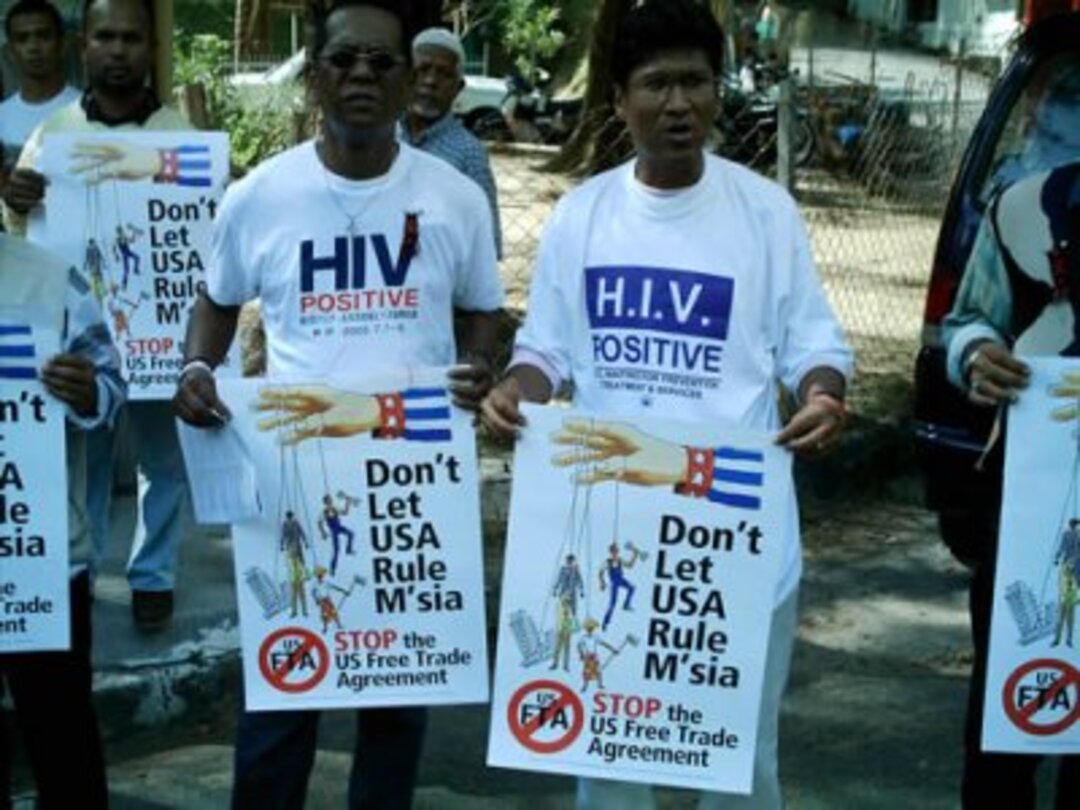
US-Malaysia trade deal threatens medicines regulation
Brook Baker argues in the Malaysian Star that the recent US trade deal restricts the rights of Malaysia’s National Pharmaceutical Regulatory Agency (NPRA), to conduct its own assessments of safety, efficacy and quality, reflecting national health needs and regulatory priorities.
The “reciprocal” trade agreement signed with the United States in October 2025 is consistent with other recent US deals with Southeast Asian countries, which were negotiated under the threat of punitive tariffs and are largely one-sided in favour of US corporate interests. If ratified, the US-Malaysia agreement would require Malaysia to accept US approvals of biopharmaceutical products without additional regulatory review, effectively removing Malaysia’s ability to apply its own due diligence.
The agreement obliges Malaysia to recognise US regulatory approvals, certificates and manufacturing inspections, while prohibiting “duplicative or additional conformity assessments”. It would also limit Malaysia’s ability to require periodic reauthorisation of medicines unless significant risks are identified in advance, shifting the burden onto Malaysian regulators and weakening post-marketing oversight. These concessions are not matched by reciprocal commitments from US companies to expedite registrations in Malaysia, nor by substantial trade benefits.
Baker argues that these provisions are particularly concerning given growing questions about the rigour of US medicines regulation. The US Food and Drug Administration increasingly relies on accelerated approval pathways, often based on surrogate endpoints or limited clinical evidence, with post-marketing studies frequently delayed or incomplete. Under President Trump, regulatory standards have been further weakened by initiatives that dramatically shorten review timelines for selected products, raising concerns about political interference in scientific decision-making.
Malaysia also faces broader risks to its industrial policy. The country has long sought to strengthen domestic pharmaceutical manufacturing to improve affordability, security of supply and technological capacity. Regulatory reliance that favours US approvals risks entrenching advantages for multinational pharmaceutical firms while leaving Malaysian producers subject to higher compliance costs and delays.
These pressures reflect a broader US strategy of using trade coercion to reshape domestic regulation. The US-Malaysia agreement has not yet entered into force, and Malaysia’s ratification process provides an opportunity to reaffirm regulatory autonomy and the primacy of public health. Baker argues that Malaysia should use this process to ensure it retains the right to make independent, evidence-based decisions on the safety, efficacy and quality of medicines.